
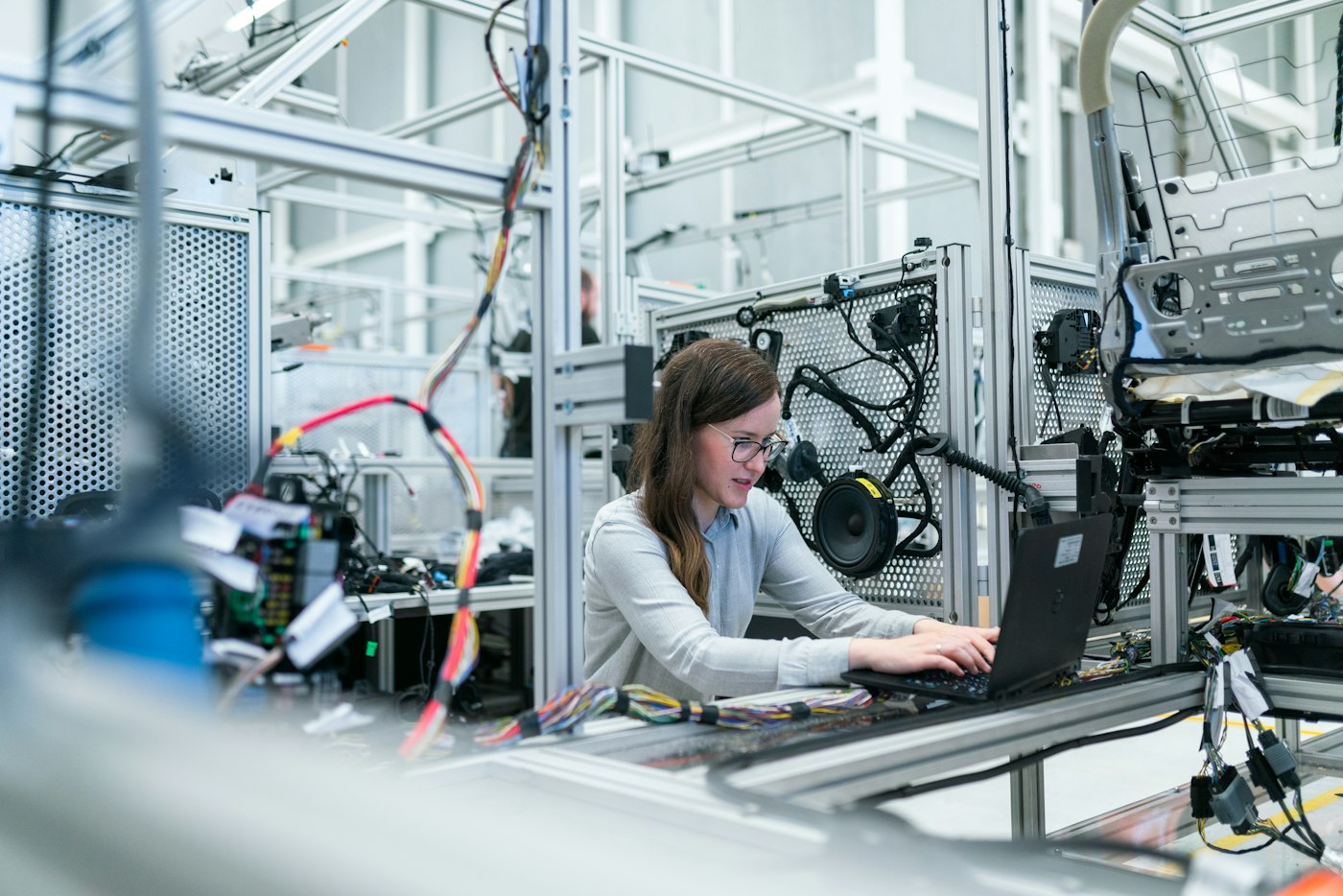
For many ITI and diploma graduates, completing their course is only the beginning of their career journey.
The next challenge is finding an opportunity that matches their skills, understanding what employers expect, and being prepared to enter a professional manufacturing environment.
India's manufacturing sector offers opportunities across production, machining, quality, maintenance, electrical, automotive and several other technical functions. For candidates starting their careers, understanding how to approach these opportunities can make the transition from education to employment much smoother.
Understanding Where Your Skills Fit
Your ITI or diploma specialization provides the foundation for your career, but it is important to understand how those skills translate into workplace roles.
Depending on your qualification and practical experience, opportunities may be available in areas such as:
- CNC operation and machining
- Production and assembly
- Welding and fabrication
- Fitting and maintenance
- Electrical and mechanical operations
- Quality inspection
- Automotive manufacturing
- Other technical and shop-floor roles
Before applying, take some time to understand the responsibilities associated with the role and whether they match your technical background and career interests.
What Manufacturing Employers Look For
A technical qualification is important, but it is not the only factor employers consider.
Manufacturing environments require employees who can work safely, follow processes, maintain discipline and work effectively with a team.
Depending on the position, employers may look for:
Technical knowledge
A basic understanding of the concepts and processes related to your trade or specialization.
Practical skills
The ability to apply what you have learned in a real working environment.
Safety awareness
Understanding the importance of workplace safety, protective equipment and established operating procedures.
Discipline and reliability
Manufacturing operations depend on consistent attendance, punctuality and adherence to processes.
Willingness to learn
Manufacturing technologies and processes continue to evolve. The ability to learn and adapt is an important part of building a long-term career.
Preparing for the Interview
An interview is an opportunity to demonstrate not only what you know, but also how prepared you are to enter the workplace.
Before attending an interview, research the company and understand the position you have applied for.
Be prepared to discuss:
- Your ITI or diploma qualification
- Your technical specialization
- Projects or practical training you have completed
- Any internship or apprenticeship experience
- Your technical strengths
- Why you are interested in the role
- Your willingness to work according to the requirements of the position
You may also encounter questions related to your trade, basic technical concepts, workplace safety and practical situations.
Apprenticeships: An Opportunity to Gain Industry Experience
For candidates entering the workforce, an apprenticeship can provide valuable exposure to an actual industrial environment.
Apprenticeships can help candidates understand workplace processes, safety practices, production environments and professional expectations while developing practical experience.
Programs such as NAPS and NATS can also provide structured pathways for candidates to gain industry exposure.
For students and recent graduates who are still building their experience, an apprenticeship can be an important step between formal education and a longer-term career.
Be Prepared for the Reality of Manufacturing Work
Working in manufacturing can be very different from studying in a classroom.
Depending on the role and employer, candidates may need to work in production environments, follow specific operating procedures, work in teams or operate rotational shifts.
Understanding these expectations before accepting a position is important.
Candidates should consider:
- Work location
- Shift timings
- Working days
- Job responsibilities
- Workplace environment
- Compensation and applicable benefits
- Opportunities for learning and career development
Having clarity about these factors helps candidates make informed career decisions and ensures that expectations are aligned between the candidate and employer.
Keep Building Your Skills
Getting your first job is an important milestone, but it is not the end of your learning journey.
Manufacturing is becoming increasingly connected with automation, advanced machinery, digital systems and new production technologies. Developing your technical knowledge and workplace skills over time can open up opportunities for greater responsibility and career progression.
Your first role may be an entry point. What you learn from it can help shape where your career goes next.
From Training to Employment
The transition from education to employment can sometimes feel difficult because students, institutions and employers operate in different environments.
Educational institutions provide the foundation.
Training develops practical skills.
Employers provide opportunities to apply those skills.
Connecting these parts of the ecosystem can make it easier for candidates to discover relevant opportunities and for employers to access talent that matches their requirements.
Your first opportunity is only the beginning.
Build your skills. Understand your opportunities. Prepare for the workplace.
And take the next step toward your manufacturing career.